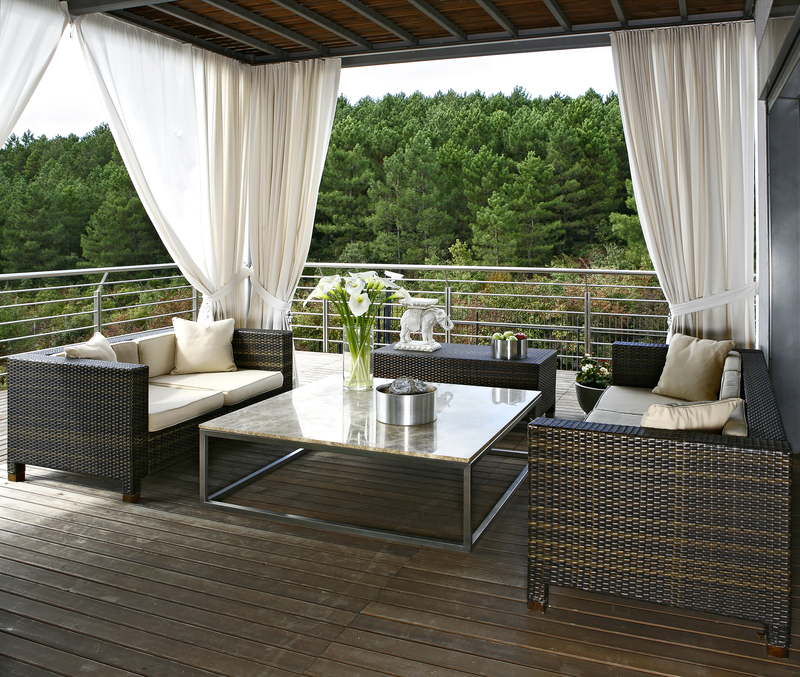
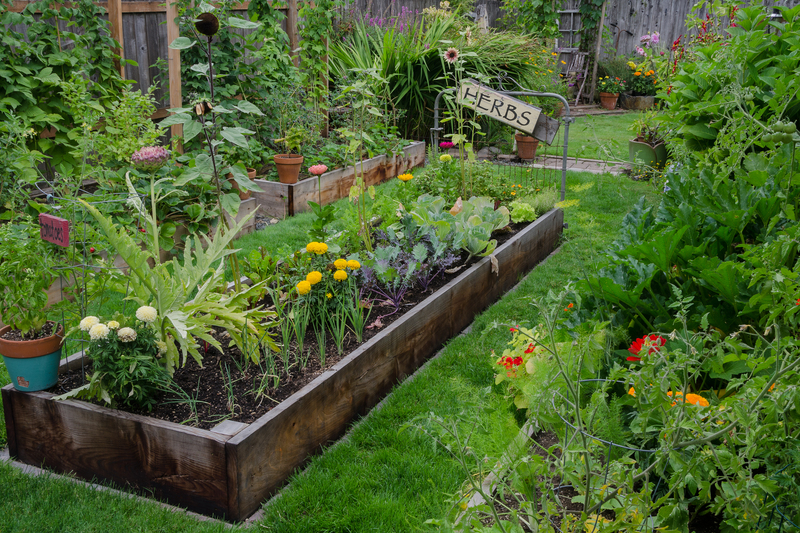
Have the Perfect Mix of Beauty and Solitude by Growing Tall-Potted Plants for Privacy
Have the Perfect Mix of Beauty and Solitude by Growing Tall-Potted Plants for Privacy
You want peace. You want beauty. And--let's face it--you'd love to keep the neighbours from peeking in while you sip your tea on the balcony. Tall-potted plants deliver all three. They're living, breathing privacy screens that look elegant, soften noise, and shift with the seasons. Whether you're in a London flat with a windy terrace, a small Bristol courtyard, or a family garden in Leeds, you can have the perfect mix of beauty and solitude by growing tall-potted plants for privacy. Done right, it's the quickest, most flexible way to create a serene hideaway without planning permission headaches or permanent build costs.
In our experience working on city balconies and compact gardens, tall container plants outcompete wooden screens for long-term satisfaction. They filter views instead of blocking them like a wall. They move in the breeze, cool the air, invite birds, and somehow make your mind exhale. Truth be told, when the bamboo rustles at dusk, it's hard to remember you're just 10 metres above the Northern line.
Table of Contents
- Why This Topic Matters
- Key Benefits
- Step-by-Step Guidance
- Expert Tips
- Common Mistakes to Avoid
- Case Study or Real-World Example
- Tools, Resources & Recommendations
- Law, Compliance or Industry Standards (UK-focused)
- Checklist
- Conclusion with CTA
- FAQ
Why This Topic Matters
Privacy is precious, especially in dense UK towns and cities where gardens are small and balconies are overlooked. Traditional fences and fixed screens are fine, but they're static and often stark. Tall-potted plants for privacy are different. They're living architecture--adaptable, seasonal, soothing--and they can be rearranged in a day if you move furniture or change your mind. For renters and leaseholders, they may also dodge planning friction because you're not building a permanent structure.
There's a mental health angle too. According to widely cited research from the RHS and urban greening studies, even modest daily contact with plants reduces stress, improves attention, and boosts feelings of wellbeing. Ever stood beside a screen of bamboo on a breezy morning and felt your shoulders drop? You'll see why people stick with green screens long after a timber panel would've gone grey.
On the practical side, mature tall plants in planters filter noise, capture dust, and provide wildlife habitat. A row of clipped laurels in troughs, or a cascade of Miscanthus and Calamagrostis swaying at eye level--subtle, but the difference between feeling watched and feeling at home.
Key Benefits
- Instant privacy without building works: Large planters and tall plants create a green screen you can install in an afternoon.
- Flexible and mobile: On castors or plant dollies, you can shuffle your screen season to season--or when you fancy a change.
- Beautiful and biophilic: A greener outlook is proven to calm the nervous system. Clean, clear, calm. That's the goal.
- Space-smart: Vertical greenery maximises privacy in tight spaces--perfect for balconies, roof terraces, and small courtyards.
- Sound-softening: Layered foliage diffuses and absorbs sound, making busy streets feel a step farther away.
- Air quality benefits: Plants capture particulates and pump out oxygen--small gains, but meaningful at nose level.
- Seasonal interest: Mix evergreen structure with grasses or flowering shrubs so your view evolves, not just hides.
- Reversible: If you move house, your privacy screen moves with you. No sunk costs in fixed structures.
To be fair, no screen is 100% soundproof or 100% year-round lush. But the right plant mix balances beauty and solitude in a way a fence never could.
Step-by-Step Guidance
Here's a clear, practical route to have the perfect mix of beauty and solitude by growing tall-potted plants for privacy--from site assessment to ongoing care.
1) Assess Your Space
- Measure: Length, width, door openings, and any choke points (lifts, stairs). Note height clearances if you're moving 2m plants.
- Light: Full sun (6+ hours), partial, or shade? South- and west-facing get hotter; north-facing can be dim but steady.
- Wind exposure: Balconies funnel wind. Observe gusts--especially on higher floors--before choosing tall species.
- Weight limits: Many UK balconies are designed for 2.5-5.0 kN/m? live loads. If in doubt, check with building management or a structural engineer before adding multiple heavy planters.
- Drainage: Where does water go? You'll need saucers, drip trays, or self-watering planters to protect neighbours below.
Micro moment: It was raining hard outside that day. The terrace puddled near the door--good catch--so we shifted the planters 30cm, and the flat stayed bone dry all winter.
2) Choose the Right Planters
- Size & volume: Bigger is better for root stability. Aim for planters at least 40-60cm deep for shrubs and bamboos; 30-40cm for grasses.
- Material: Frost-proof fibreglass, powder-coated metal, high-quality ceramic, or engineered lightweight concrete. Avoid cheap plastic on windy sites.
- Shape: Troughs (long rectangles) are space-efficient and excellent for continuous screening. Tall cylinders suit specimen trees.
- Mobility: Consider integrated castors or plant dollies. Your back will thank you.
- Drainage: Essential. Ensure generous drainage holes and raise pots on feet to prevent waterlogging.
3) Select Plants for Privacy and Performance
Opt for strong, generally evergreen structure with reliable height in pots. Mix textures so your screen feels lush, not flat.
- Clumping bamboo (Fargesia spp.): Non-invasive, upright, graceful movement. Try Fargesia rufa or F. robusta for UK climates. Great for balconies; avoid running Phyllostachys in small spaces.
- Evergreen shrubs: Prunus laurocerasus (compact forms), Photinia x fraseri 'Red Robin' (pleached or natural), Pittosporum tenuifolium cultivars, Taxus baccata (yew) for formal elegance, Laurus nobilis (bay) for scent and culinary value.
- Grasses for height and movement: Calamagrostis x acutiflora 'Karl Foerster', Miscanthus sinensis cultivars. They're deciduous but magical in low winter light.
- Narrow trees and pleached forms: Compact olives, Elaeagnus ebbingei, and pleached Photinia or hornbeam in troughs for instant "green walls".
- Architectural leaves: Phormium, Cordyline in milder UK zones, and hardy Trachycarpus for a courtyard statement.
- Fragrance & pollinator interest: Star jasmine (Trachelospermum jasminoides) trained on trellis within planters gives scent and screen.
Height guide: For genuine screening seated and standing, aim for 1.4-2.0m finished height. You can stage heights--grasses in front, shrubs at eye level--to create depth without overshadowing.
4) Design the Layout
- Layering: Place taller planters at the privacy line; stagger slightly so the screen looks natural, not regimented (unless formal is your thing).
- Sightlines: Sit in your favourite chair. What do you want to block? What views do you want to keep? Design for the human, not the tape measure.
- Pathways: Maintain clear access to doors and railings--safety first, always.
- Wind porosity: A mixed plant screen lets air pass, reducing wind load and pot "sail" effect.
One-line truth: privacy feels best when it still lets light in.
5) Create the Potting Mix
- Base mix: Quality peat-free compost, 20-30% horticultural grit or perlite for drainage, and 10-20% well-graded bark for structure.
- Nutrition: Add slow-release fertiliser pellets (6-12 months) at label rates. Top dress with composted bark after planting.
- Water retention: On sunny balconies, incorporate water-retaining granules sparingly--useful, but don't turn soil to jelly.
6) Planting Steps
- Place pots on feet or wheeled platforms; check level.
- Cover drainage holes with mesh or a shard to prevent clogging, then add a 3-5cm drainage layer (lightweight clay pebbles work).
- Fill halfway with mix. Test plant height in the pot so the root ball sits 3-5cm below rim.
- Gently tease roots, place plant, and backfill. Firm lightly; do not compact aggressively.
- Water deeply until excess runs out; top up mix if it settles.
- Stake if needed. Tie gently with soft straps.
- Mulch surface (2-3cm) to reduce evaporation.
Micro moment: The cinnamon scent of fresh bark mulch--blink and you'll feel like you've stepped into a woodland, not Zone 2.
7) Watering & Care
- Watering rhythm: In summer, check daily; water when top 2-3cm is dry. In winter, water sparingly but don't let evergreens bone-dry in wind.
- Feeding: Refresh slow-release fertiliser in spring; liquid feed grasses and flowering vines mid-season if growth flags.
- Pruning: Lightly shape shrubs after spring flush; cut grasses to 10-20cm in late winter before new growth.
- Repotting: Every 2-3 years or when roots circle tightly. For large planters, practice root pruning: lift plant, shave 2-4cm of roots, refresh mix, replant.
- Winter protection: Fleece wraps for pots in severe cold; group pots to create a microclimate; protect from northerly gales.
Expert Tips
- Match plant to exposure: Fargesia bamboos thrive in part shade and wind-sheltered spots. Yew tolerates shade well. Photinia loves sun but, to be fair, resents drought in small pots.
- Think in heights: Combine 2m shrubs with 1.5m grasses and 1m underplanting. The layered look feels rich and screens more angles.
- Integrate trellis discreetly: A metal or composite trellis mounted inside a trough supports star jasmine or climbers without shouting "fence".
- Use repetition: Three identical troughs of Calamagrostis create a clean modern line. Rhythm soothes the eye.
- Balance evergreen and seasonal: Aim for at least 60% evergreen stability, 40% seasonal flourish. Privacy year-round, delight in summer.
- Balcony loads: Spread weight with multiple smaller planters instead of one giant box. Always err on the side of caution with upper floors.
- Fire safety: Avoid dry thatch-like material accumulating near cladding. Keep planters clear of ignition sources, and choose non-combustible containers on exposed balconies.
- Water once, twice, then stop: Many overwater out of love. Plants prefer consistency. Invest in a simple moisture meter--it ends the guesswork.
- Noise buffering: Dense foliage nearest the noise source works best. Mix leaf sizes--small leaves scatter high frequencies, larger leaves dampen lower tones.
- Scent close to seating: Star jasmine, bay, and winter-flowering sarcococca belong where you linger, not just along the rail.
Small aside: ever tried to move a waterlogged ceramic pot alone? Don't. Use a dolly or grab a friend. Your shins will thank you later.
Common Mistakes to Avoid
- Pots too small: Leads to wind toppling, fast drying, and unhappy plants. Choose bigger--then bigger again.
- Wrong bamboo: Running Phyllostachys can escape. Clumping Fargesia is safer, tidier, saner for containers.
- No drainage: Waterlogged roots equal slow death. Always ensure free-draining mix and raised pots.
- Ignoring wind: A 2m plant is a sail. Use porous planting, shelters, or select wind-firm species.
- Overfeeding in late summer: Promotes soft growth that winter batters. Feed mostly in spring.
- Letting soil sink: Top up mix annually; roots exposed at the rim dry fast.
- Blocking fire escapes or light: Practicality beats aesthetics. Keep routes clear and be mindful of neighbourly light rights.
- One-note planting: A single species wall may look harsh. Blend textures--laurel + grass + jasmine--so it feels designed.
Yeah, we've all been there--bought the dainty pot because it was cute. Two weeks later, the laurel was sulking. Lesson learned.
Case Study or Real-World Example
Project: Windy South-West London Balcony, Wandsworth
Brief: Create a private, low-maintenance seating nook on a 6m x 1.5m third-floor balcony overlooked by neighbouring flats. Have the perfect mix of beauty and solitude by growing tall-potted plants for privacy--with movement and year-round interest.
Constraints: Strong crosswinds, weight limits, no drilling into facade, and occasional hosepipe bans.
Design:
- Three fibreglass troughs (100 x 40 x 45cm) on lockable castors spaced along the rail.
- Planting: Fargesia robusta (clumping bamboo) as the main screen, underplanted with evergreen Pittosporum and spring bulbs. A pair of 'Karl Foerster' grasses at the ends for movement.
- One central trough with a slender pleached Photinia for height continuity.
- Self-watering reservoirs and a simple battery timer drip-line for reliability.
Outcome: Within six weeks, the sitting area felt tucked away. Bamboo rustle softened traffic. In the evening, the scent from star jasmine, trained on a discreet inner trellis, drifted across the table. The client said, "The first quiet Saturday morning, it felt like a different flat."
Cost ballpark (materials only): ?1,500-?2,500, depending on planter quality and plant sizes. Ongoing: ?30-?60 per year for fertiliser and drip-line bits. Not the cheapest screen on day one, but five years in, it still looks sharp.
Tools, Resources & Recommendations
- Tools: Hand trowel, pruning secateurs, hand saw for root pruning, watering can with rose, moisture meter, plant dolly/castors, soft ties, fleece, and gloves.
- Irrigation: Drip-line with timer for balconies; heavy saucers or trays for terraces; consider water butts for gardens to save metered water.
- Compost & soil: Choose high-quality peat-free blends. Look for consistent structure and added slow-release nutrients. A loam-based container compost is brilliant for stability.
- Plant sourcing: Use reputable UK nurseries with clear hardiness info and disease controls. Ask about clumping vs running bamboo; demand accurate labelling.
- Knowledge hubs: The Royal Horticultural Society (RHS) plant finder for suitability and care; National Fire Chiefs Council balcony safety guidance; local council pages on "high hedges" complaints.
Pro tip: Keep a small garden notebook. Watering, feed dates, pruning notes. It's nerdy. It works.
Law, Compliance or Industry Standards (UK-focused)
While potted privacy planting is generally straightforward, a few UK-specific considerations help you stay on the right side of rules and good neighbourliness.
- High Hedges complaints (Anti-social Behaviour Act 2003, Part 8): If a screen of mostly evergreen shrubs forms a hedge over 2m and adversely affects a neighbour's reasonable enjoyment of their property (commonly light), your council can investigate complaints and require height reductions. Even in containers, be considerate about sustained heights.
- Planning permission: Typically not required for movable planters. However, permanent screens or trellises attached to structures--especially on flats or listed buildings--may trigger permissions. Check with your local planning authority if unsure.
- Balcony and roof terrace loads: Building design live loads vary. Many UK residential balconies are designed around 2.5-5.0 kN/m?. Distribute weight and consult building management or a structural engineer for larger schemes.
- Fire safety on balconies: Follow building management and fire service guidance. Reduce combustible materials near facades; keep escape routes clear; maintain plants so dry material doesn't accumulate. Avoid open flames among dry grasses.
- Water use: Hosepipe restrictions may apply during droughts. Use water-efficient drip systems and mulch. Rainwater harvesting (where practical) helps.
- Peat-free policy: The UK gardening community--led by the RHS--strongly encourages peat-free composts to protect peatlands. Many retailers are transitioning fully peat-free.
- Lease and tenancy agreements: Many leases specify balcony use, loads, and fixings. Always check covenants before installing heavy planters or trellis.
- Tree Preservation Orders (TPOs): If you're considering larger trees, be aware of local protections. When in doubt, ask your council before heavy pruning or removal.
Not thrilling stuff, maybe. But a five-minute check now saves a headache later.
Checklist
- Measure space, assess light, wind, and drainage.
- Confirm balcony/terrace load capacity if applicable.
- Select frost-proof, adequately sized planters with drainage.
- Choose a balanced plant palette: 60% evergreen, 40% seasonal.
- Use a peat-free, free-draining potting mix with slow-release feed.
- Install drip irrigation or set a watering routine.
- Mulch, stake, and raise pots on feet.
- Prune lightly for shape; cut grasses late winter.
- Check laws/guidelines: high hedges, fire safety, lease rules.
- Keep a maintenance diary. Adjust as you learn your microclimate.
Conclusion with CTA
Privacy shouldn't feel like hiding. With tall-potted plants, you create a space that's screened yet welcoming, calm yet alive--a little sanctuary you can rearrange whenever life shifts. From clumping bamboo and pleached Photinia to scented jasmine and swaying grasses, the right mix gives you that sweet spot: beauty and solitude, side by side.
Start small--one trough, two plants--and you might be surprised how much softer your world feels. Then build from there, like a story you get to write with leaves.
Get a free quote today and see how much you can save.
And when you finally sit down with a cuppa and hear the bamboo whisper... well, you'll know you did something lovely for yourself.
FAQ
What are the best tall plants for privacy in UK pots?
Clumping bamboo (Fargesia rufa, F. robusta), Photinia 'Red Robin' (including pleached forms), yew, bay laurel, pittosporum, and tall grasses like Calamagrostis. Add star jasmine on a trellis for fragrance and extra cover.
How tall will my potted privacy plants get?
Most shrubs and clumping bamboos reach 1.5-2.5m in large planters. Grasses like 'Karl Foerster' hit around 1.5-1.8m. Height depends on pot volume, feeding, and exposure.
Do tall-potted plants really reduce noise?
They won't soundproof, but a layered screen of mixed foliage diffuses and softens street and neighbour noise. It's a noticeable comfort bump, especially with rustling species like bamboo.
Is bamboo safe in containers, or will it take over?
Choose clumping Fargesia species. They're tidy and well-behaved in pots. Avoid running Phyllostachys in small spaces--it can be too vigorous, even in containers.
How big should my planters be?
For tall shrubs and bamboos, aim for at least 40-60cm deep and wide per plant. Troughs around 100 x 40 x 45cm are excellent for continuous screening along a balcony rail.
How often should I water?
In summer, check daily and water when the top 2-3cm of compost is dry. In winter, water sparingly but don't let evergreens dry out in windy spells. A drip system with a timer is game-changing.
What about winter care on exposed balconies?
Group pots to create a microclimate, use fleece during hard frosts, and protect roots by raising containers off icy surfaces. Choose hardy species suited to your region's minimum temperatures.
Can I create privacy without blocking all the light?
Yes--mix evergreen structure with airy grasses and climbers on a light trellis. You'll filter views while keeping sunlight and sky. It feels softer and more natural than a solid panel.
Do I need planning permission for tall planters?
Movable planters usually don't require permission. Permanent fixtures or trellis attached to a building might. If you live in a flat or listed property, check with your building management or local council.
Could my neighbours complain about my 'green screen'?
Possibly, if a mostly evergreen screen exceeds 2m and significantly reduces their light or enjoyment. Councils can investigate under the Anti-social Behaviour Act (Part 8). Keep screens reasonable and talk to neighbours early.
Which plants are lowest maintenance for privacy?
Fargesia bamboo, yew, bay, and pittosporum are reliable. Add self-watering planters, mulch, and slow-release feed to cut weekly fuss to a few minutes.
Are tall-potted plants heavy--will my balcony cope?
They can be heavy. Distribute weight with several medium planters, not one huge trough. Use lightweight materials and consult building guidance if you're adding lots of containers.
What soil mix should I use?
A high-quality peat-free container compost with added grit or perlite for drainage, plus slow-release fertiliser. Top with bark mulch to retain moisture.
How often do I need to repot?
Every 2-3 years generally. For very large planters, lift and root-prune (trim the outer root layer and refresh compost) to keep plants vigorous without upsizing containers.
Can I grow edible privacy plants?
Absolutely--bay laurel, rosemary, and trained espalier apples or pears in troughs can add both privacy and harvests. Just ensure enough sun and pot volume.
Will tall-potted plants damage my decking or patio?
Use saucers or trays to catch runoff, raise pots on feet to prevent staining, and place protective pads under heavy planters on timber decks.
What's the quickest way to get an instant screen?
Buy larger specimens (within reason), use tall troughs, and select inherently vertical plants--pleached Photinia, Fargesia bamboo, or mature yew/bay. Arrange tightly, then soften with grasses.
Any pet-safe options?
Many ornamental grasses are pet-friendly. Research specific species if your pets nibble. Avoid plants known to be toxic to cats or dogs, and position valuable specimens out of paw reach.
How do I keep plants stable in the wind?
Use heavy, wide planters; anchor with hidden weights if necessary; choose porous screens (layered plants) rather than solid panels; and stake discreetly with soft ties.
Can tall-potted plants help with pollution?
They can capture particulates on leaf surfaces and provide a psychological buffer from traffic. Not a cure-all, but every leaf helps--especially at breathing height.
Ever tried making space for calm and ended up adding clutter? This is the opposite. Green privacy clears the view and clears the head.
It's your sanctuary. Let it grow.