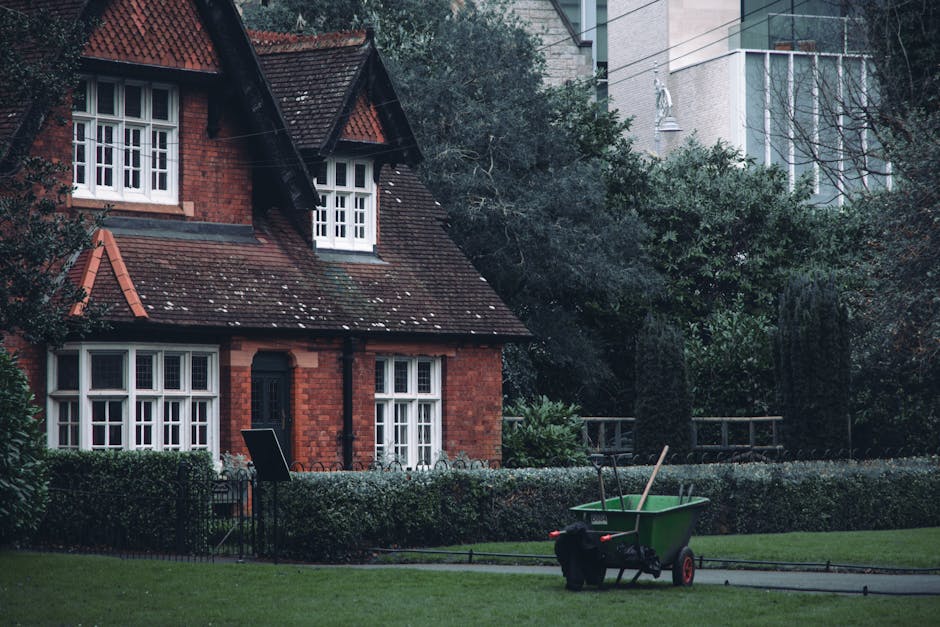
Garden care for Victoria Park facing homes in Bow
Homes near Victoria Park in Bow have a particular kind of garden challenge. You get the benefits of leafy surroundings, open views, and that lovely sense of space, but you also have exposure: more wind, more foot traffic dust, shifting shade, and gardens that can look scruffy quickly if they are left alone for even a short spell. Garden care for Victoria Park facing homes in Bow is really about keeping outdoor space tidy, resilient, and pleasant to use without making it feel over-managed or stiff.
If your front or rear garden faces the park, you may already know the pattern. One week everything looks fine, then a burst of growth, a dry spell, or a few blustery days and suddenly the whole place feels a bit tired. Not ruined, just neglected. The good news? With the right routine, a Victorian terrace garden, a modern townhouse plot, or a small courtyard can stay attractive all year with far less stress than people expect.
This guide walks through what matters, how a sensible maintenance plan works, where people go wrong, and how to decide whether you need a one-off tidy-up or a proper ongoing service. It also gives practical steps you can use straight away. No fluff. Just the things that actually help.
Practical summary: gardens facing open parkland usually need a bit more frequent attention than sheltered plots. The fix is not complicated: keep growth trimmed, lawns steady, drainage clear, and planting matched to the amount of light and wind your garden really gets.
- Best for: front gardens, rear gardens, courtyards, and shared outdoor spaces near Victoria Park
- Main aim: keep the garden neat, healthy, and easy to maintain
- Typical focus areas: lawn care, hedge trimming, pruning, seasonal tidy-ups, and waste removal
Table of Contents
- Why Garden care for Victoria Park facing homes in Bow Matters
- How Garden care for Victoria Park facing homes in Bow Works
- Key Benefits and Practical Advantages
- Who This Is For and When It Makes Sense
- Step-by-Step Guidance
- Expert Tips for Better Results
- Common Mistakes to Avoid
- Tools, Resources and Recommendations
- Law, Compliance, Standards, or Best Practice
- Options, Methods, or Comparison Table
- Case Study or Real-World Example
- Practical Checklist
- Conclusion
- Frequently Asked Questions
Why Garden care for Victoria Park facing homes in Bow Matters
Park-facing homes usually sit in a slightly more exposed pocket of the neighbourhood. That sounds like a small detail, but in gardening it matters a lot. Wind moves through faster. Leaves collect differently. Lawns can dry unevenly. And if your garden borders a street that gets a decent amount of passers-by, you also have the simple human factor: people notice what they can see.
That is not vanity. It is maintenance reality.
A tidy, healthy garden does more than look nice. It helps outdoor areas feel usable, which matters if you want to sit out with a coffee on a bright morning, let children play safely, or just avoid the low-grade frustration of looking at a patch of weeds every time you open the back door. For many Bow properties, especially close to the park, outdoor space is part of the home rather than an afterthought.
There is also the seasonal pressure. In spring and early summer, growth can race away from you. In autumn, leaves and fallen debris can pile up quickly. Winter brings damp, compacted soil and bare patches. Without a simple routine, things slip. And once they slip, they tend to drag.
In our experience, the biggest reason gardens here become hard work is not neglect in a dramatic sense. It is inconsistency. A quick cut here, a missed hedge there, and suddenly the whole job feels bigger than it should. Regular care breaks that cycle.
How Garden care for Victoria Park facing homes in Bow Works
Good garden care is not just mowing the lawn every so often. It is a balanced set of tasks that keep the space healthy, structured, and low-fuss. For a Victoria Park facing home, that usually means working with the site conditions rather than fighting them.
Start with light and exposure. A garden facing open space may get strong light for part of the day, but the wind can also dry out plants faster than you might expect. Some beds may become patchy while others stay damp. That means planting choice, watering habits, and pruning all need to be slightly more deliberate.
Then there is the maintenance rhythm. Some gardens need weekly or fortnightly mowing in growing season. Hedges may need trimming a few times a year, depending on species. Borders benefit from weeding and edging before they become too shaggy. Shrubs need selective pruning, not random hacking. Simple, really, but easy to get wrong when you are busy.
A professional approach often includes:
- site inspection and a quick assessment of problem areas
- lawn mowing and edging
- hedge trimming and shaping
- pruning of shrubs and smaller trees where suitable
- clearance of leaves, cuttings, and built-up debris
- checking for drainage issues, compacted soil, or damaged planting
- advice on what should be cut now and what should wait
For larger or more overgrown spaces, the first visit may feel more like recovery than maintenance. That is normal. Sometimes you need a reset before you can do the regular stuff. If the garden has become cluttered or difficult to walk through, a proper garden clearance can make the next stage far easier.
Key Benefits and Practical Advantages
There are obvious benefits to a well-kept garden: it looks better, feels calmer, and is easier to use. But the practical advantages are often more valuable than the cosmetic ones.
First, maintenance becomes simpler. A garden that is kept under control needs less heavy work later. That means fewer surprise weekends lost to a jungle of growth. Lovely phrase, that one, but nobody means it warmly.
Second, plants tend to stay healthier. Pruning at the right time, clearing dead material, and improving air flow can help reduce disease pressure and encourage stronger growth. You do not need to overcomplicate it. Healthy structure is usually the goal.
Third, the garden feels safer and easier to move through. Overhanging branches, slippery moss, dropped leaves, and uneven growth can all create hassle. If your garden is used by children, older relatives, or visitors, this matters more than people sometimes admit.
Fourth, the property presents better. For homeowners who care about kerb appeal, park-facing gardens are often on show more than they think. Neighbours, visitors, delivery drivers, people walking past the park edge - they all get a glance. It is not about impressing everyone. It is about the home feeling looked after.
Fifth, you get more value from the space. A tidy patio, a trimmed hedge, and a healthy lawn make a small garden feel much bigger. That is especially useful in Bow, where many outdoor spaces are compact and every square metre has to earn its keep.
Who This Is For and When It Makes Sense
This kind of garden care is useful for a few different groups. You may fit one, or several.
- Busy homeowners who want the garden kept in shape without constant weekend effort
- Landlords and property managers who need outdoor areas presentable between tenancies or inspections
- Families who use the garden regularly and need it to stay safe and manageable
- Older residents who want reliable help with physically demanding work
- New owners who have inherited an overgrown garden and do not know where to start
- Anyone near Victoria Park whose garden seems to grow faster, collect more debris, or just demand more attention than expected
It also makes sense when you notice the same jobs coming back again and again. If you keep saying, "I'll sort the hedge next weekend," or "the lawn just needs a quick tidy," and the job never quite gets done, that is a decent sign the garden needs a more dependable routine. No shame in that. Life is busy.
Some people only need seasonal help. Others benefit from ongoing garden maintenance through spring and summer, then lighter visits in autumn. The right answer depends on your garden, not on a standard package someone tries to sell you.
Step-by-Step Guidance
If you want to keep a Victoria Park facing garden in good shape, a structured approach works best. Here is a simple way to think about it.
- Start with a clean view of the space. Walk the garden and look at it honestly. What looks tired? What is actually a problem? What is just a little untidy? Separate the real work from the cosmetic stuff.
- Clear the surface clutter. Remove broken pots, dead stems, fallen leaves, and anything that blocks access. If the space has become choked with waste or cuttings, a deeper tidy may be needed before anything else can happen.
- Deal with the lawn. Cut it at the right height for the season, not too short. Edges matter here too. A sharp edge can make even a modest lawn look cared for.
- Trim hedges and shrubs carefully. Shape is important, but timing matters. Some hedges can be cut back hard; others need a lighter hand. If in doubt, trim less and observe the response.
- Check beds and borders. Weed them, mulch if needed, and replace obvious gaps with plants that suit the conditions. Park-facing spaces often need tougher, wind-tolerant choices.
- Inspect for damage or stress. Look for broken branches, compacted areas, soggy patches, or plants that are struggling in the wrong place.
- Set a repeating routine. Decide what needs weekly, monthly, and seasonal attention. This is the bit people skip, and then the chaos returns. Predictably.
If you prefer one-off work to get the garden back under control, a service such as lawn mowing, hedge trimming, or even a broader services overview can help you build a practical plan without guesswork.
Expert Tips for Better Results
There are a few things that consistently make garden care more effective in this part of Bow.
Match planting to exposure. A plant that looks great in a sheltered courtyard may struggle near a park-facing edge if it gets more wind and sun than expected. This is one of the easiest errors to avoid, yet people still make it. We all do, to be fair.
Keep cuts neat and purposeful. Blunt pruning can leave the garden looking chopped rather than cared for. Clean cuts help plants recover better and make the whole plot feel more refined.
Use edging as a design tool. A crisp line between lawn and border changes the feel of the space instantly. It is one of the smallest jobs with the biggest visual payoff.
Do not overwater by default. A garden that faces open air may dry quickly, but that does not mean every plant needs constant soaking. Check the soil first. Damp topsoil can hide a dry root zone, and vice versa.
Plan around the seasons, not the weekend mood. If you only respond when things look bad, you will always feel behind. A light spring reset, regular summer mowing, an autumn leaf clear, and a winter tidy usually beat a giant emergency job later.
Get the waste off site properly. Piles of cuttings left behind make even a freshly cut garden feel unfinished. A good finish matters. It really does.
If you are arranging works with a contractor, it is sensible to check practical details too. Pages such as insurance and safety, health and safety, and recycling and sustainability can help you understand how a business approaches responsible work and waste handling.
Common Mistakes to Avoid
Most garden trouble comes from a handful of repeat mistakes. Not dramatic ones. Just everyday slips.
- Cutting too much at once. Heavy pruning can shock plants and leave the garden looking bald rather than balanced.
- Ignoring edges and corners. These are the spots that make a garden look forgotten fastest.
- Letting weeds seed freely. Once they spread, you pay for it later. Always.
- Using the wrong plants for the spot. Pretty in the shop does not mean suitable for a windy, bright, park-facing garden.
- Leaving fallen leaves to rot in thick mats. That can block light, encourage slippery patches, and suffocate lawn areas.
- Thinking maintenance is only about mowing. It is not. A neat garden has layers of care.
One more thing: avoid trying to make a garden perfect in one visit. That mindset leads to rushed work and poor choices. Better to improve it steadily. A bit at a time is often the smart route, especially where the space has character or mature planting you do not want to lose.
Tools, Resources and Recommendations
You do not need a shed full of specialist equipment to keep a garden looking decent. In many cases, a few reliable tools are enough.
| Tool or resource | What it helps with | Why it matters |
|---|---|---|
| Sharp secateurs | Pruning small stems and tidying shrubs | Cleaner cuts and less plant damage |
| Hedge trimmer | Shaping hedges and larger shrubs | Speeds up regular trimming |
| Lawn mower | Routine grass cutting | Keeps the lawn even and manageable |
| Leaf rake or blower | Seasonal leaf and debris clear-up | Stops build-up and slippery surfaces |
| Spade and hand fork | Border work and weed removal | Useful for precise, small-scale jobs |
| Waste sacks or green waste handling plan | Removing cuttings and debris | Prevents the garden from looking half-finished |
For homeowners who prefer help rather than equipment buying, professional support can be more efficient than collecting tools you will barely use. That is especially true if you only need seasonal help or a one-off recovery job. In those cases, it may make sense to combine mowing, pruning, and clearance in one visit rather than spreading the work across several weekends.
And yes, a good pair of gloves. Always a good pair of gloves. Gardening has a way of proving you wrong at the exact moment you get confident.
Law, Compliance, Standards, or Best Practice
For most household garden care, the main concern is best practice rather than heavy regulation. Still, a responsible approach matters, especially when work involves trees, waste, access, or safety.
In UK settings, it is sensible to follow basic expectations around safe working, waste disposal, and neighbour consideration. If a garden job involves tree work, overhanging branches, or removal of larger material, there may be practical safety and access issues to think about before anyone starts. That does not mean every task is regulated in the same way; it means the work should be assessed properly rather than rushed.
For example, if a property has protected planting, awkward access, shared boundaries, or close neighbouring structures, the right approach is to proceed carefully and check what is appropriate before cutting back hard. Good practice is usually more important than guesswork.
Reputable garden teams should also work in a way that protects workers, occupants, and nearby property. That includes using equipment correctly, handling cut waste sensibly, and avoiding damage to lawns, paving, fences, and planting. If you are comparing providers, asking about public liability cover, safety procedures, and waste handling is perfectly reasonable.
Where sustainability matters to you, it is also fair to ask how green waste is recycled or reused. A tidy garden is nice. A responsibly handled tidy garden is better.
Options, Methods, or Comparison Table
Different gardens need different levels of input. Here is a simple comparison that may help you decide what fits your situation.
| Approach | Best for | Pros | Trade-offs |
|---|---|---|---|
| DIY upkeep | Small, simple gardens and confident owners | Flexible, lower direct cost, hands-on control | Time-consuming, easy to delay, harder for larger tasks |
| Occasional one-off help | Overgrown gardens or seasonal resets | Fast improvement, useful for catch-up work | Does not prevent future build-up on its own |
| Regular maintenance visits | Busy households and high-visibility gardens | Consistent appearance, less stress, better long-term control | Requires planning and ongoing spend |
| Full landscape refresh | Gardens with poor layout, tired planting, or drainage issues | Can transform the space properly | More involved, needs more thought and budget |
If your garden is mostly fine but just keeps slipping, regular care is usually the sweet spot. If the layout itself is the problem, then a broader approach like landscape gardening or landscaping may be the better long-term fix. Different tools for different jobs, as they say.
Case Study or Real-World Example
Picture a Bow townhouse with a small front garden facing Victoria Park. It starts off neat in spring, but by midsummer the hedge has flared out, the lawn looks patchy at the edges, and a few wind-blown leaves have built up in the corners. Nothing dramatic. Just enough to make the entrance feel tired.
The owner does what many people do: waits a couple of weeks, hoping to deal with it all in one go. Then another week passes. Then rain. Then the garden looks worse and the job feels bigger. Sound familiar?
The practical reset is straightforward. Start with a clear-out of debris, trim the hedge lightly rather than brutally, cut the lawn at a sensible height, and sharpen the edges. If there are crowded or broken stems, remove them. Once the space is back in shape, set a simple fortnightly rhythm through the growing season. The change is usually visible very quickly. The garden stops feeling apologetic.
That sort of job can be handled as part of a general visit, or combined with a more focused treatment if the space has become cluttered. In some cases, adding targeted work such as tree lopping and removal may be necessary where larger branches are shading the plot too heavily or creating ongoing debris. Not every garden needs that, of course. But when it does, it becomes very obvious.
Practical Checklist
Use this quick checklist to keep things on track.
- Inspect the garden from the street and from inside the home
- Remove visible clutter, dead growth, and broken items
- Mow the lawn at the correct seasonal height
- Trim hedges before they become blocky or overwide
- Check borders for weeds and bare patches
- Look for wind damage, overhanging branches, or drainage trouble
- Clear leaves and cuttings before they turn into a slippery mess
- Decide whether you need one-off help or regular maintenance
- Confirm how waste will be removed or recycled
- Set a realistic schedule and stick to it
If the garden feels overwhelming, break it down. One corner at a time. That is usually enough to get momentum back.
Conclusion
Garden care for Victoria Park facing homes in Bow is really about staying a little ahead of the weather, the growth, and the general wear that comes with an exposed, visible outdoor space. It is not about chasing perfection. It is about making the garden feel calm, neat, and easy to live with.
The most effective approach is usually simple: regular mowing, timely hedge trimming, thoughtful pruning, seasonal clear-ups, and the right planting choices for the conditions. Do that consistently and the whole space becomes easier. More usable. Less of a burden.
If you are looking at a garden that has slipped, do not treat that as failure. It is just a signal that the space needs a better rhythm. Start with one clean reset, then keep it steady from there. The garden will thank you for it, in its own quiet way.
Get a free quote today and see how much you can save.
And if all you do this week is bring the edges back into line, that is still progress. Small wins count outside, too.
Frequently Asked Questions
How often should a garden near Victoria Park in Bow be maintained?
It depends on the size of the garden, how exposed it is, and how quickly it grows through the seasons. In spring and summer, many gardens benefit from more frequent attention, while autumn and winter usually need lighter but still regular care.
What makes a park-facing garden harder to manage?
Open exposure is the main thing. More wind, stronger light in some spots, and more debris collecting in corners can make the space look untidy faster. It is often less about neglect and more about the conditions.
Is one-off garden clearance enough for an overgrown garden?
It can be a good start, especially if the garden has got away from you. But if growth comes back quickly, a one-off clearance may need to be followed by ongoing maintenance to keep the space under control.
Should I mow the lawn short to make it last longer?
No, not usually. Cutting too short can stress the grass and leave it looking thin or patchy. A sensible mowing height is generally better, especially in warmer or drier spells.
When is the best time to trim hedges?
That depends on the type of hedge. Some need shaping in specific seasons, while others can take lighter trims more often. If you are unsure, it is usually safer to trim less aggressively and follow the plant's growth habit.
What should I do about leaves building up near the park-facing side?
Clear them regularly rather than waiting for a huge pile to form. Damp leaf mats can make surfaces slippery and can also smother grass or low planting if left too long.
Can garden care improve kerb appeal quickly?
Yes. A neat lawn edge, tidy hedge, and clear front approach can change the whole feel of a property fast. You do not always need a redesign. Sometimes neatness is the real upgrade.
Do I need landscaping or just maintenance?
If the structure of the garden is fine but it just needs regular attention, maintenance is probably enough. If the layout, drainage, or planting scheme is working against you, then landscaping or landscape gardening may be more appropriate.
How do I know if my garden needs professional help?
If you keep delaying the same jobs, the garden is getting harder to manage, or the work feels physically awkward or time-consuming, professional help is likely worth considering. That is especially true for larger hedges, heavy waste, or stubborn overgrowth.
What should I ask before booking garden work?
Ask what is included, how waste will be handled, whether the team has suitable insurance, and whether the plan is a one-off visit or a repeat maintenance schedule. Those practical details matter more than polished sales talk.
Is sustainable garden waste handling important?
Yes, if you care about responsible upkeep. Many people now want cuttings and green waste handled properly rather than simply dumped. It is a sensible question to ask before work starts.
Where can I learn more about the company and service standards?
It helps to review pages such as about us and pricing and quotes, alongside practical policy pages like insurance and safety and health and safety. That gives you a clearer feel for how the work is approached.